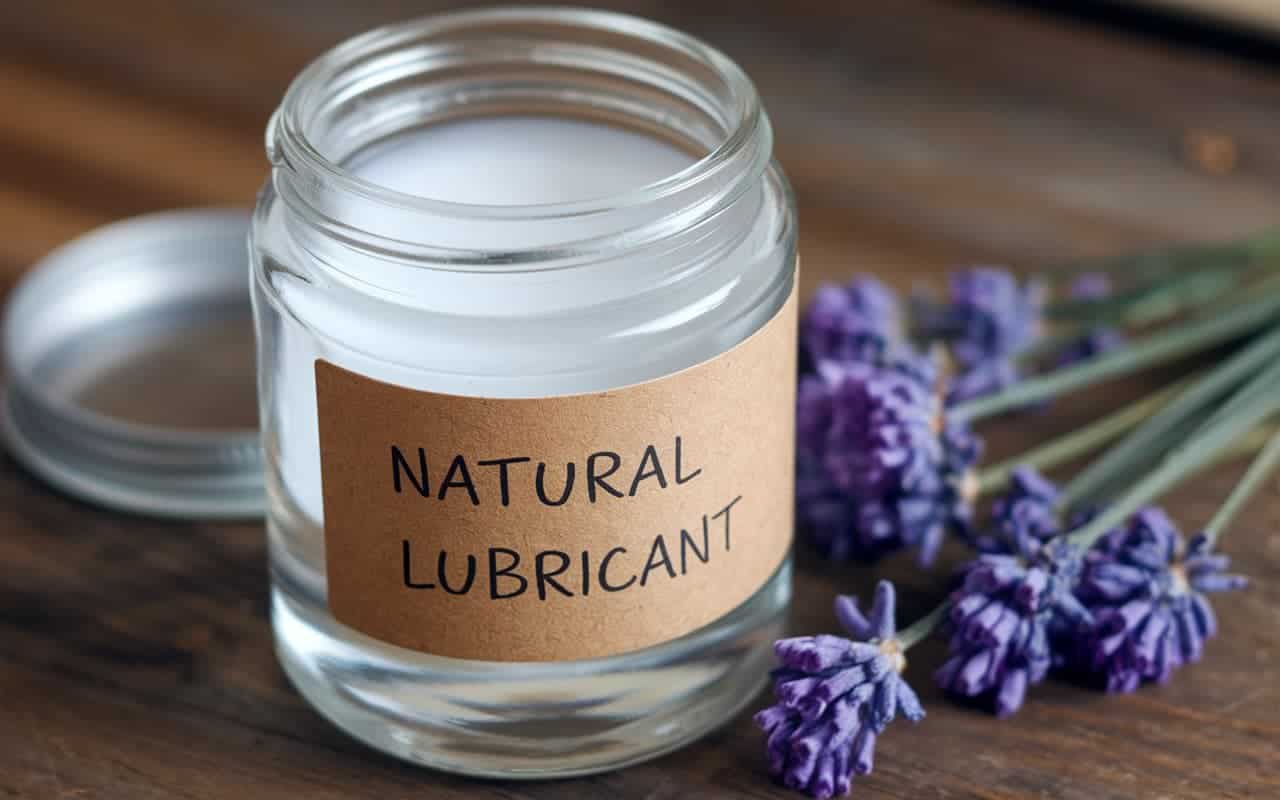
DIY Natural Lubricants
In today’s world, many individuals are becoming increasingly conscious of the products they use in their daily lives. From skincare to household cleaners, the demand for natural and eco-friendly alternatives is at an all-time high. One often overlooked category is personal lubricants (yes, to enjoy some petardas hd videos or a night of pleasure with their partners).
In this article, we’ll explore the benefits of DIY natural lubricants and provide you with easy recipes to create your own safe, eco-friendly options.
Why Choose Natural Lubricants?
Health Benefits
Many commercial lubricants contain parabens, glycerin, and synthetic fragrances, which can lead to allergic reactions or infections, particularly in sensitive areas. Natural lubricants, on the other hand, are made from organic ingredients that are generally safe and gentle on the skin. Choosing natural options minimizes the risk of irritation and promotes overall well-being.
Environmental Impact
Commercial lubricants often come in plastic packaging and contain chemicals that can harm the environment. By making your own natural lubricants, you reduce waste and use ingredients that are biodegradable and eco-friendly, helping to protect our planet.
Cost-Effectiveness
Store-bought lubricants can be expensive, especially if you frequently purchase them. Crafting your own lubricants can save you money in the long run, as many of the ingredients are likely already in your kitchen.

Essential Ingredients for DIY Natural Lubricants
Creating your own natural lubricants is simple and requires just a few key ingredients. Here are some commonly used natural ingredients:
1. Coconut Oil
Coconut oil is a versatile ingredient known for its moisturizing properties. It’s anti-bacterial and anti-fungal, making it a popular choice for personal lubricants. However, it’s important to note that oil-based lubricants can degrade latex condoms, so they should not be used in conjunction with them.
2. Aloe Vera Gel
Aloe vera is renowned for its soothing and healing properties. It’s a natural moisturizer and is often used to soothe burns and irritations. Aloe vera gel is safe for use with latex condoms, making it a great option for those who prefer water-based lubricants.
3. Olive Oil
Another excellent oil for lubrication, olive oil is rich in antioxidants and vitamins. It has a smooth texture and is easy to find in most kitchens. Like coconut oil, olive oil should not be used with latex condoms.
4. Vegetable Glycerin
Vegetable glycerin is a sweet, syrupy substance derived from plant oils. It is often used in commercial lubricants for its slippery texture. While it is generally safe, it is best to use it in moderation as it can sometimes cause irritation.
5. Essential Oils
Essential oils can enhance the scent and provide additional benefits to your DIY lubricants. Popular choices include lavender for relaxation, tea tree oil for its antibacterial properties, and peppermint for a cooling effect. Always dilute essential oils properly and ensure they are safe for sensitive areas.
DIY Natural Lubricant Recipes
Now that you have a better understanding of the ingredients, let’s explore some easy recipes for DIY natural lubricants.
Recipe 1: Coconut Oil Lubricant
Ingredients:
- 1 cup coconut oil
- 5-10 drops of your favorite essential oil (optional)
Instructions:
- In a small saucepan, gently heat the coconut oil until it melts.
- Remove from heat and let it cool slightly.
- If desired, add essential oils and mix well.
- Transfer the mixture to a clean glass container and let it cool completely before using.
Storage: Store in a cool, dark place. It can solidify at cooler temperatures, but it will melt quickly with body heat.
Recipe 2: Aloe Vera and Glycerin Lubricant
Ingredients:
- 1/2 cup aloe vera gel
- 1/4 cup vegetable glycerin
- 5 drops of essential oil (optional)
Instructions:
- In a bowl, combine aloe vera gel and vegetable glycerin.
- Mix until smooth and well combined.
- Add essential oil if desired and stir thoroughly.
- Pour into a clean bottle for storage.
Storage: This lubricant should be kept in the refrigerator and used within two weeks for optimal freshness.
Recipe 3: Olive Oil and Lavender Lubricant
Ingredients:
- 1 cup olive oil
- 10 drops lavender essential oil
Instructions:
- Combine olive oil and lavender essential oil in a bowl or jar.
- Mix well until combined.
- Transfer to a clean glass container for storage.
Storage: Keep in a cool, dark place and use within three months.
Recipe 4: Water-Based Herbal Lubricant
Ingredients:
- 1 cup distilled water
- 1 tablespoon cornstarch
- 1 tablespoon aloe vera gel
- 5 drops of essential oil (optional)
Instructions:
- In a saucepan, mix distilled water and cornstarch.
- Heat on low, stirring constantly until it thickens.
- Remove from heat and let it cool.
- Once cooled, add aloe vera gel and essential oil if using.
- Mix well and pour into a clean bottle.
Storage: Store in the refrigerator and use within one week.
Tips for Using DIY Natural Lubricants
1. Patch Test
Before using any new lubricant, it’s important to perform a patch test to ensure you don’t have an allergic reaction. Apply a small amount to a less sensitive area of your skin and wait 24 hours to see if any irritation occurs.
2. Avoid Using with Latex Condoms
As previously mentioned, oil-based lubricants like coconut oil and olive oil can degrade latex condoms, increasing the risk of breakage. If you are using condoms, opt for water-based lubricants instead.
3. Store Properly
To maintain the integrity of your DIY lubricants, store them in cool, dark places. Glass containers are preferable as they do not leach chemicals and are easy to clean.
4. Clean Up
Natural lubricants can be messy. Ensure to clean the area after use to avoid staining sheets or clothes. Most natural lubricants are safe to wash out with warm water and mild soap.
The Benefits of Going DIY
Enhanced Sensitivity
Using natural lubricants can heighten sensitivity during intimacy. The absence of synthetic chemicals allows for a more natural experience.
Personalization
When you create your own lubricants, you can customize them according to your preferences. Adjust the thickness, scent, or ingredients to make a product that perfectly suits your needs.
Empowerment
Crafting your own lubricants gives you control over what you put in and on your body. It encourages mindfulness about ingredient sourcing and promotes a sustainable lifestyle.
Conclusion
Making your own natural lubricants is not only a fun and empowering project, but it also promotes health, safety, and sustainability. With just a few simple ingredients, you can create a variety of lubricants that cater to your needs while being gentle on your body and the environment. Embrace the DIY approach and explore the world of natural lubricants today!