Turning Trash into Chic Treasures
In a world increasingly driven by sustainability, upcycled furniture has taken center stage. What was once considered trash is now an exciting canvas for creativity, eco-consciousness, and DIY innovation. From old dressers to forgotten chairs, almost any piece of furniture can be transformed into a chic treasure with minimal tools, a splash of eco-friendly paint, and a bit of vision.
This guide will walk you through the benefits of upcycling, essential tools, eco-friendly materials, beginner-friendly projects, and insider tips to help you transform cast-offs into conversation pieces.
Why Upcycling Furniture Matters
1. Sustainability at Home
Landfills are overflowing with discarded furniture, much of which is made from non-biodegradable materials or treated wood that harms the environment. By upcycling, you reduce waste, conserve resources, and help curb the demand for new manufacturing.
2. Cost-Effective Makeovers
Buying new furniture can be costly. Upcycling allows you to customize your home on a budget. With a few inexpensive supplies, you can give an outdated piece a brand-new look.
3. Unleashing Creativity
Upcycling is an outlet for creativity. It offers a hands-on way to experiment with styles, colors, and textures, resulting in pieces that reflect your personal taste.
Getting Started: Basic Tools and Supplies
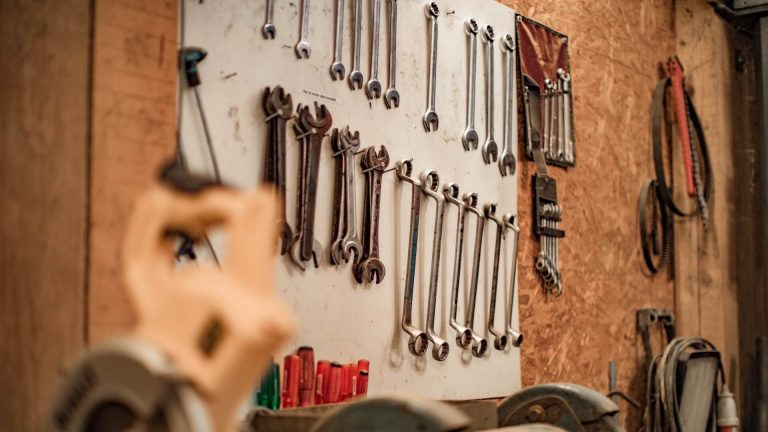
You don’t need a professional workshop to upcycle furniture. Here’s a list of basic, affordable tools and materials that will help you get started:
Essential Tools:
- Screwdriver set – for removing or tightening fixtures and handles.
- Sandpaper or sanding block (medium and fine grit) – to smooth surfaces before painting.
- Putty knife – for applying filler or removing old paint.
- Paintbrushes and rollers – for even application of paint.
- Staple gun – for reupholstering fabric elements.
- Measuring tape – for accurate planning and symmetry.
Optional Tools:
- Drill or electric screwdriver – to make repairs or attach new hardware.
- Hand saw – for reshaping or cutting wood.
- Painter’s tape – for clean paint lines.
Choosing Eco-Friendly Paint and Finishes
Many paints and finishes contain harmful chemicals known as VOCs (Volatile Organic Compounds). When upcycling, opt for low-VOC or zero-VOC products. These are not only safer for the environment but also better for indoor air quality.
Eco-Friendly Paint Options:
- Milk paint – made from natural ingredients, offers a rustic, matte finish.
- Chalk paint – low in VOCs and requires minimal prep.
- Water-based latex paint – durable and less toxic than oil-based options.
- Natural oil finishes (e.g., linseed or tung oil) – ideal for sealing wood without synthetic additives.
Look for certifications like Green Seal, Greenguard, or Ecolabel when choosing products.
Prepping Furniture for Upcycling
Preparation is key to a successful upcycle. Here’s a quick checklist:
1. Clean Thoroughly
Wipe down all surfaces with a mild soap solution to remove dust, grease, and grime. Allow it to dry completely before proceeding.
2. Sand the Surface
Sanding helps paint adhere better and removes any chipped finishes. Start with medium grit and finish with a fine grit for a smooth base.
3. Repair Damage
Use wood filler to patch dents, cracks, or holes. Let it dry fully, then sand smooth.
4. Prime If Needed
While chalk and milk paints may not require priming, other paint types might. Use a primer suitable for your paint choice to ensure a uniform finish.
5 Beginner-Friendly Upcycling Projects
Even if you’ve never picked up a paintbrush, these projects are ideal starting points.
1. Side Table Turned Boho Plant Stand
Old side tables are easy to find at thrift stores or curbside. Sand it down, paint it with bright chalk paint, and stencil on a mandala design. Add casters or gold feet for a boutique vibe.
2. Bookshelf to Bar Cart
Transform an old bookshelf into a mobile bar cart. Add wine glass racks, a mirror backing, and metallic paint. Attach wheels and you’ve got a stylish and functional centerpiece.
3. Dresser Drawer Shelves
Remove the drawers from a discarded dresser. Paint and line the interiors with wallpaper or fabric, then mount them on the wall as shadow box shelves.
4. Vintage Chair Revival
Strip and repaint a wooden chair. Reupholster the seat using leftover fabric or an old curtain. This is a great way to add a pop of color to your dining or entry area.
5. Crib to Bench Transformation
Turn an outgrown crib into a hallway bench. Use the side rails as armrests and the mattress base as the seat. Add cushions and throw pillows for comfort.
Tips and Tricks for a Polished Finish
Don’t Rush the Process
Each step—cleaning, sanding, painting—matters. Let paint dry completely before applying a second coat or sealing.
Use Test Swatches
Try your chosen paint color on a small, hidden area first to ensure you love the hue once it dries.
Mix Materials Creatively
Combine wood with fabric, metal, or even rope to add texture and visual interest.
Stenciling and Decoupage
Add flair using stencils or decoupage techniques. Vintage book pages, botanical prints, or old maps can give a unique look.
Seal It Right
Protect your finished piece with a non-toxic sealer. Options include water-based polyurethane or beeswax polish.
Where to Find Furniture to Upcycle
1. Thrift Stores
Goodwill, Habitat for Humanity ReStores, and local charity shops often carry solid wood pieces for cheap.
2. Curb Alerts and Free Listings
Check Facebook Marketplace, Craigslist, or neighborhood apps like Nextdoor for freebies.
3. Yard Sales and Flea Markets
Negotiate deals for furniture that needs just a little love.
4. Your Own Basement or Attic
Sometimes the best pieces are already hiding in your own home.
Eco-Conscious Disposal: What Not to Upcycle
While upcycling is a fantastic practice, be mindful of the materials:
- Avoid furniture with mold or active pest infestations.
- Skip items with flaking lead paint (common in pieces pre-1978).
- Don’t upcycle pressed wood that’s waterlogged or crumbling.
When in doubt, consult local recycling guidelines or professionals.
Upcycled Furniture as a Business
If you fall in love with upcycling, you can even turn it into a side hustle or full-time business.
Start Small
Sell your first few pieces on platforms like Etsy, eBay, or at local markets. Use before-and-after photos to attract attention.
Brand Your Style
Whether your aesthetic is rustic farmhouse, industrial chic, or colorful boho, stick with a cohesive style to build recognition.
Sustainable Packaging
If you’re shipping items, use recyclable packaging or reused boxes to continue the eco-friendly ethos.
Inspiring Real-Life Upcycling Success Stories
Lindsey’s Living Room Transformation
After inheriting her grandmother’s 1960s credenza, Lindsey sanded it, painted it with navy chalk paint, and added brass handles. The piece now anchors her living room and regularly receives compliments.
Miguel’s Garage Workshop
Miguel started rescuing broken chairs and mismatched tables from sidewalks. Today, he runs a successful online store selling custom upcycled furniture with a waitlist of clients.
Tina’s Community Workshops
A retired art teacher, Tina hosts monthly upcycling classes teaching others how to use eco-friendly materials. Her sessions have diverted over 1,000 lbs of waste from landfills.
Final Thoughts:
Upcycling furniture is more than a trend—it’s a movement. It’s about reimagining what’s possible, reducing environmental impact, and expressing individuality through functional art. With a few simple tools, some eco-friendly paint, and a little elbow grease, anyone can take forgotten furniture and turn it into a chic, sustainable masterpiece.
So, before you buy new, ask yourself: could this be upcycled? The answer just might surprise you.